













Skycrown App Login Skycrown Australia Login

In 2026, players in Australia use mobile sign-in to reach the lobby fast, solve access issues, and keep play adult-only and controlled.

Fortune Gems 2 Slot

Table of Contents

  • The Dog House Megaways Slot
  • Lucky Joker 10 Extra Gifts Slot
  • Sword of Ares Slot
  • Floating Dragon Hold & Spin Slot
  • Leprechaun Riches Slot
  • Fruit Cocktail Slot
  • The Dog House Megaways Slot
  • Sword of Ares Slot
  • Fruit Million Slot
  • The Dog House Megaways Slot
  • Big Fisherman Slot
  • Big Fisherman Slot
  • Seven Books Unlimited Slot
  • Skycrown Fortune Slot
  • Sword of Ares Slot
  • Floating Dragon Hold & Spin Slot
  • 9 Mad Hats Slot
  • Floating Dragon Hold & Spin Slot
  • Big Bass Splash Slot

Fixing Skycrown Login Australia On The First Try

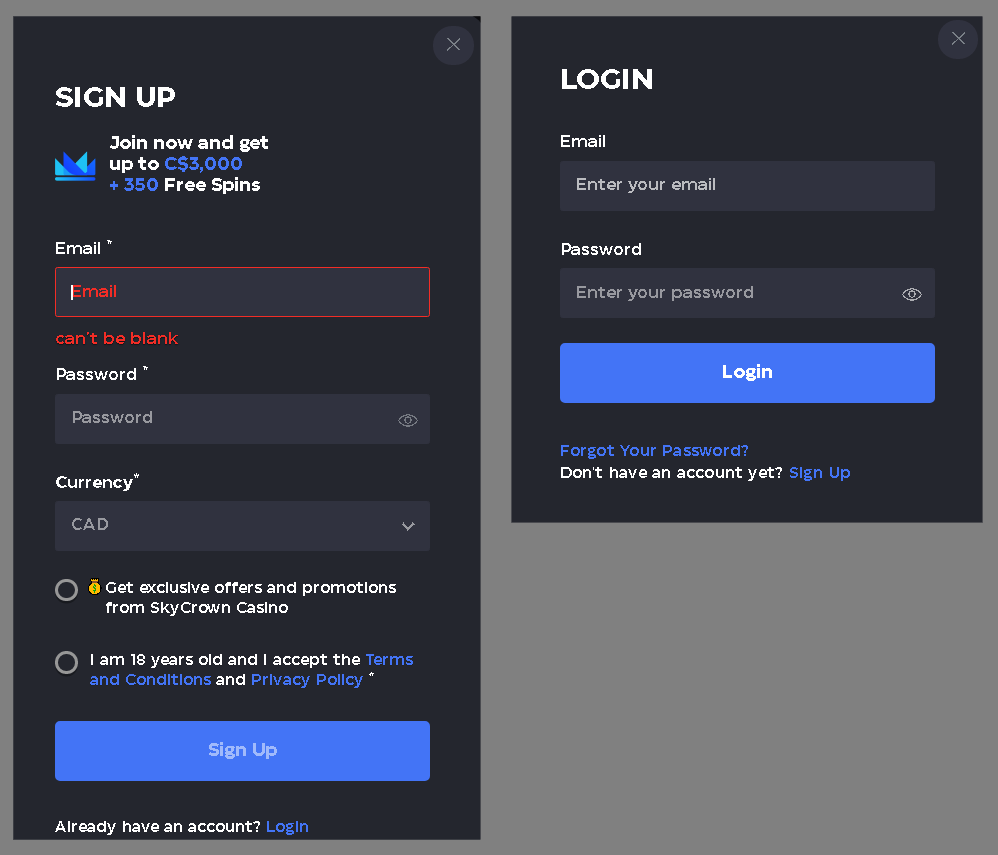
You know the moment: you open the app, tap sign-in, and it either loops forever or throws a vague error. Most people respond by hammering the button, swapping Wi-Fi on and off, and trying three different passwords in 30 seconds. That’s how a small hiccup turns into a lockout. Slow it down and you usually get in quicker.
Login 1

Start with the boring basics that actually matter. Confirm you’re using the same identifier you used when creating the account (email, phone, or username). Players often mix them up because they’ve got ten accounts across different apps and their muscle memory picks the wrong one. If the platform only recognizes one method, even one “almost right” attempt won’t help.

Next, check your phone’s foundations before you touch anything sensitive. If your device time is wrong, if the operating system is behind, or if battery saver is aggressively cutting background processes, security checks can fail and look like “wrong password.” It feels unfair, but the app isn’t reading your mind - it’s watching whether the device can complete a secure session handshake.

Now do a clean attempt. Type slowly, watch autocorrect, and avoid copy-paste if you’ve ever saved the password in a messy note (hidden spaces are a classic). If you fail twice, pause. Repeated attempts can trigger protection rules, especially if you’re switching networks between tries.

If the sign-in screen keeps bouncing you back without a clear message, treat it like a session-token issue. Fully close the app (not just minimize it), reopen, and try once on one stable connection. Switching between mobile data and Wi-Fi mid-attempt can look suspicious and create more checks than you want.

Because Skycrown is presented as available in Australia and framed around applicable rules and adult-only use, it’s normal to see safeguards. The goal is to work with them: consistent details, stable device behavior, and fewer frantic retries.

What You Notice

Likely Cause

Quick Move

Don’t Do This

Loading loop after entering details

Session handshake stuck

Close app, reopen, try once

Spam attempts until blocked

“Invalid credentials”

Wrong identifier or typo

Re-type carefully, check keyboard

Copy-paste with extra spaces

Code prompt every time

Device not trusted yet

Complete verification in one go

Jump between devices mid-flow

App crashes on launch

System or storage issue

Update OS, free space

Reinstall repeatedly without changes

Signed in but lobby won’t load

Cache or network conflict

Switch network once, clear cache

Keep toggling settings nonstop

What Usually Breaks When You Switch Devices

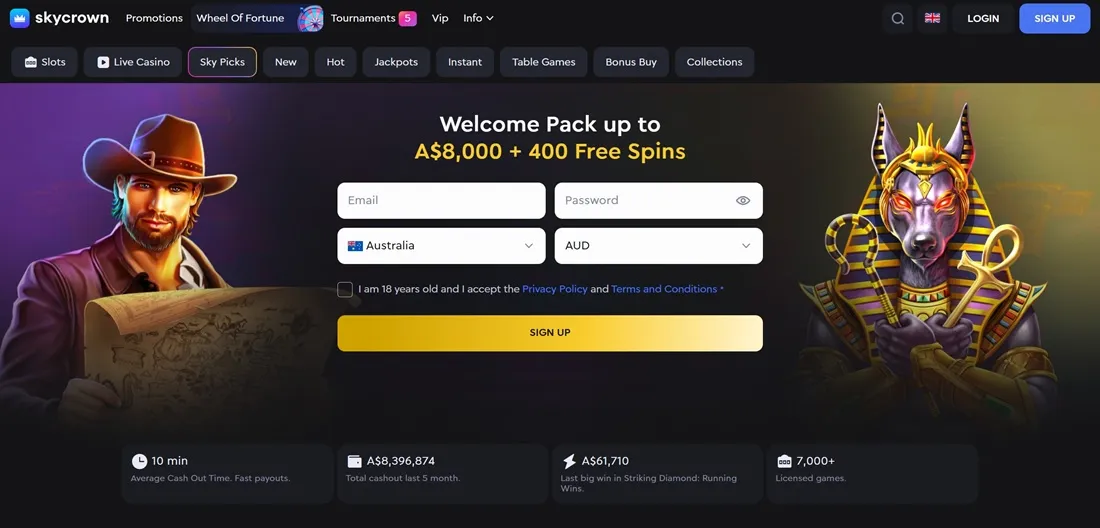
Say you sign in on your phone at lunch, then later try a tablet at home because the screen feels nicer. Many players do this, and the platform may respond with extra checks - new device, new session, new risk signal. That’s not a punishment, it’s a safety routine.

If you need to switch, do it cleanly. Sign out on the first device, wait a moment, then sign in on the second and complete any verification step without bouncing back and forth. The fastest way to trigger temporary restrictions is to create multiple half-finished sessions that look like someone is testing access from different places.
Login 2

Skycrown App Login Setup That Saves Time Later

Most people set up the app once, get in, and never look at settings again until something breaks. Then they’re trying to recover access while also being asked to confirm details, approve a device, or manage limits. If you set things up while you’re calm, you avoid that “everything is urgent” feeling later.

Start with permissions that affect access. If you block notifications entirely, you might miss verification prompts or security alerts and then wonder why you can’t finish the sign-in flow. Allow what you need for access and security, then tighten the rest after you’ve tested the basics.

Decide how you’ll store credentials safely. People either rely on memory (and mistype when stressed) or keep passwords in random notes (and copy the wrong version). Whatever your method, keep it consistent: one correct credential set, not three similar ones you rotate between.

Also look for session and device options. Some apps offer “remember this device” or “trust this phone.” Use that only on a private device you control. On shared devices, convenience turns into risk fast.

Installing Updates Without Breaking Your Access

You update your phone overnight, open the app in the morning, and suddenly it behaves like it’s never met you. That happens more than people expect: permissions reset, saved sessions expire, or biometrics get re-registered. Before you assume the account is broken, check whether the app itself has an update waiting.

If sign-in fails right after a system update, avoid the panic move of resetting your password immediately. First, confirm basic permissions, confirm your device time is correct, and attempt a clean sign-in once. Password resets are useful, but they add a new variable. Change one thing at a time so you know what fixed it.

Using Biometrics Without Getting Locked Out

Turning on Face ID or fingerprint access feels like the perfect shortcut - until the day it stops working and you realize you haven’t typed your password in weeks. That’s the biometric trap: it makes access frictionless, then it makes your backup plan rusty.

The safe approach is simple. Confirm you can sign in manually first. Then enable biometrics and test both methods once. If you ever change your device security settings (new fingerprint, new face profile), expect to re-confirm inside the app.

Staying Logged In On Shared Or Public Devices

Borrowing a family tablet for “just ten minutes” is how accidental access happens. If the device is shared, don’t save sessions and don’t enable auto sign-in. Log out when you’re done, and make sure the next open lands on the sign-in screen.

A quick habit helps: before you close the app, check the profile menu and confirm you’ve signed out. It’s not glamorous, but it prevents the worst type of problem - the one you only discover after something has already gone wrong.

Account Recovery When You Can’t Get Past The Sign-In Screen

Here’s a common scenario: you’re sure your details are right, the app disagrees, and your brain starts offering “creative guesses.” That’s when people accidentally trigger protection rules by trying too many variations. Recovery works best when you do fewer actions, but do them cleanly.

Login 3

Use the built-in reset flow once, carefully, and finish it in the same session. Players often request multiple codes, then enter an older one, then request another, and suddenly nothing makes sense. Keep it linear: request code, receive it, enter it, set new password, sign in.

If you no longer have access to your old email or phone, don’t keep forcing the reset tool. At that point, it’s an ownership and identity issue. Platforms that aim to keep access adult-only and within applicable rules tend to be stricter here, because changing contact details is a common takeover pattern. You’ll likely need to prove it’s you through support.

Avoid “stacking changes.” Don’t reset your password, then immediately switch devices, then change network routing, then try again. That chain looks risky and can slow down verification. Use one device, one network, one clear attempt.

If additional verification is requested, treat it like a checkpoint, not a debate. Provide clear information, keep details consistent with your profile, and don’t rush uploads. A tidy submission usually moves faster than a messy one followed by five corrections.

Wallet Access, Limits, And Cashout Hygiene In Australia

Once you’re back in, the next temptation is to rush into a deposit or chase the session you missed. This is the exact moment to put guardrails in place. If you want the platform to feel predictable, treat the wallet like a planning tool, not an emotional button.

First, set limits before you fund anything. Deposit caps, session reminders, cooling-off breaks - these tools are easier to choose when you’re calm. If you wait until you’re annoyed or hyped, you’ll pick weaker limits “just for now,” and that usually becomes the pattern.

Second, keep your payment path consistent. Depositing from one method and withdrawing to another can trigger additional checks. Often it’s safety, not drama, but it still adds time and steps. If you want fewer delays, keep things simple: one main method, stable profile details, and no sudden changes right after you submit a request.

Third, understand what “pending” usually means. Many players see a review status and assume something is wrong, then they cancel, resubmit, change details, and create the very delay they feared. One clean request is often faster than three impatient ones.

Below is a practical snapshot of the habits that reduce friction, written in normal language and without pretending there’s one universal rule for every player.

Part Of The Process

What Players Usually See

What to check

Why it matters

Adding Funds

Balance updates quickly

Currency, method limits

Prevents mismatches and confusion

Requesting A Payout

Status changes (review, pending)

Name format, method consistency

Reduces extra checks

Identity Confirmation

Request for documents or selfie

Clarity, matching details

Avoids rejection and resubmits

Method Limitations

Some methods deposit-only

Withdrawal route options

Prevents surprise rerouting

Security Review

Extra questions sometimes

New device, unusual logins

Helps protect the account

How To Avoid Delays When You Request A Payout

Think of the payout moment like airport security: if you sprint in, change bags, and argue with the scanner, it takes longer. If you keep everything steady, you pass. After you submit a request, keep your account behavior calm for a while - don’t change passwords, don’t jump between devices, and don’t bounce across networks.

Double-check that your profile name matches your payment identity format. Then submit once and wait for the next status update. If you do contact support, send a short timeline (what you used to add funds, when you requested the payout, what status you see). Clear info gets better help than emotional messages.

Responsible Controls That Actually Work In Real Life

“Just ten minutes” is the sentence that ruins more budgets than any bad session. The fix is to use controls that don’t depend on mood. Set one money boundary and one time boundary - that’s a simple, effective combo.

For example, choose a weekly deposit cap that matches your entertainment spend and a session reminder that interrupts you before you drift. If you notice yourself chasing losses or stretching sessions to “make the day worth it,” take a timeout. Cooling-off breaks exist for a reason: they protect your future decisions from your current impulse.

Support Paths And Security Habits For 2026

Support works best when you treat it like a technical report, not a vent. Imagine you’re calling a mechanic: “it’s broken” doesn’t help, but “it makes a clicking noise when I turn left” does. Same here. Describe what step fails, what message you see, what device you’re using, and what you tried.

Security habits also matter more than people admit. Reusing passwords across services, ignoring device updates, and leaving sessions saved on shared devices are the fastest ways to create account trouble. If you ever see an unexpected verification request, pause and confirm you initiated the action. Don’t approve prompts on autopilot.

If you want fewer interruptions, keep your behavior predictable. One main device, stable login patterns, and calm recovery actions. That doesn’t mean you can’t play; it means you don’t trigger unnecessary risk flags.

When To Use Timeout Or Self-Exclusion Tools

There’s a specific feeling that shows up before people lose control: you open the app without a plan, then you negotiate your plan while already inside. If that’s you, a timeout is the smart move. It interrupts the loop without requiring a big dramatic decision.

If the pattern repeats, choose a stronger control. Longer cooling-off periods help when the habit keeps returning. Self-exclusion is for moments when you want a firm barrier because you don’t trust yourself to stop manually. These tools support adult-only use in practice, not just as a statement.

FAQ

Fully close the app, restart your device, and try one clean sign-in attempt on a stable connection. Endless loading is often a session handshake problem, so repeated rapid retries can trigger temporary protection and make it worse. If it keeps looping, clear the app cache, confirm your device time is correct, and avoid switching between Wi-Fi and mobile data during the attempt.

Pick one identifier you most likely used (email, phone, or username) and test it carefully rather than guessing multiple options quickly. Many players register with an email and later try a phone number from habit, which leads to repeated credential errors. If you still can’t confirm it, use the recovery flow tied to the contact method you can reliably access today.

This usually happens when the device isn’t being remembered as trusted, or when privacy settings and battery modes keep clearing sessions. Allow essential permissions needed for security prompts, and avoid auto-cleaner settings that wipe app data in the background. If you’re using a shared device, frequent prompts can also be a normal safety feature rather than a bug.

Yes, but do it once and complete the entire flow in one session so you don’t mix expired codes with new ones. Request a code, enter it promptly, set the new password, then sign in manually one time to confirm it works. After that, you can enable biometrics for convenience, but keep your manual credentials as a reliable backup.

Set a deposit cap and a session reminder before you start playing, because limits work best when chosen calmly. Decide what you can comfortably spend as entertainment and match the cap to that number so you’re not negotiating mid-session. If you catch yourself chasing losses or extending sessions “just to feel better,” use a timeout or cooling-off break and return only with a clear plan.

Send a short timeline: device type, system version, what step fails, what message you see, and what you already tried (restart, cache clear, one network switch). Mention recent changes like password resets, device switching, or system updates, because those often trigger extra checks. Clear details reduce back-and-forth and help support move straight to the real cause.

On a private phone with biometrics, staying signed in can reduce typos and repeated verification prompts, as long as the device itself is protected. On shared or public devices, always log out and avoid saving sessions, because convenience can turn into unintended access. A practical middle ground is to keep persistent sign-in on one personal device only, and require manual sign-in everywhere else.