













Skycrown App Download For Smooth Mobile Play

In Australia, Skycrown lets legal-age players use a mobile-first lobby in 2026, with clear sign-in steps, limits, and support.

Fortune Gems 2 Slot

Table of Contents

  • The Dog House Megaways Slot
  • Lucky Joker 10 Extra Gifts Slot
  • Sword of Ares Slot
  • Floating Dragon Hold & Spin Slot
  • Leprechaun Riches Slot
  • Fruit Cocktail Slot
  • The Dog House Megaways Slot
  • Sword of Ares Slot
  • Fruit Million Slot
  • The Dog House Megaways Slot
  • Big Fisherman Slot
  • Big Fisherman Slot
  • Seven Books Unlimited Slot
  • Skycrown Fortune Slot
  • Sword of Ares Slot
  • Floating Dragon Hold & Spin Slot
  • 9 Mad Hats Slot
  • Floating Dragon Hold & Spin Slot
  • Big Bass Splash Slot

Getting Set Up On Mobile Without Friction

Most players do not “study” a mobile platform - they test it in tiny windows of time. Picture this: you are on a short break, you unlock your phone, and you want the lobby to load fast enough that you do not lose interest before you even choose a game. That first impression is usually decided in under a minute.
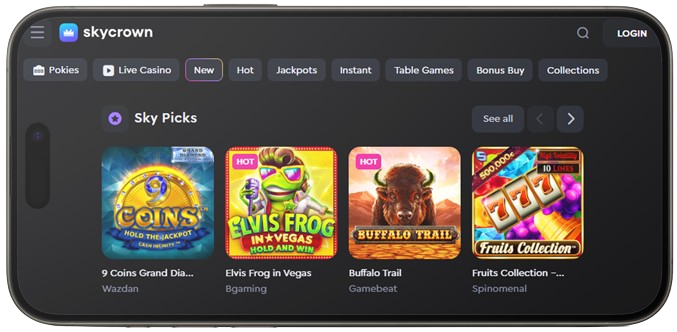
App 1

Start by treating installation like a quick safety check, not a race. Confirm you are using the current operating system version, make space for updates, and avoid doing the setup on shaky public Wi-Fi if you can. In 2026, many mobile problems are not dramatic “bugs” - they are small interruptions caused by permissions, battery settings, or a half-finished update running in the background.

The next step is simple but often skipped: open the app once, close it, and open it again. If you can return to the same place in the lobby without waiting forever, you know the basics are stable. Usually players do this instinctively with banking apps, but forget to do it with gaming apps - and then wonder why things feel inconsistent later.

Choosing iOS Or Android Settings That Make Sense

Imagine you are moving through a crowded day: you switch between messages, maps, and a quick session. If the app gets “put to sleep” by the phone, you will feel it as logouts, slow loading, or sudden freezes. On Android, battery optimization can be the quiet culprit, so it is worth checking whether the phone is limiting background activity.

On iOS, a different pattern shows up. You might enable Face ID for convenience, then realize you actually prefer a manual login when you are in public. That is normal. The key is to pick a sign-in style you will stick with, because constant toggling creates mistakes (and mistakes create lockouts).

Keep permissions tight. Location, contacts, and microphone access are not automatically needed for a smooth mobile session, so deny anything that feels unrelated and confirm the core functions still work. If you ever feel unsure, ask yourself a practical question: “Would I grant this permission to a finance app?” If the answer is no, pause.

First Launch Checks Before You Start Playing

Players often go straight to the fun part, then discover a problem at the worst moment. Picture a classic scenario: you finally find a game you like, you tap to start, and the screen stalls because the connection dropped during the initial download of assets. It feels like the app is “broken,” but it is usually just timing.

Do two quick checks on the first launch: set your notification preference (quiet or active), and find where the account settings live. If you can locate security options and responsible play tools in under thirty seconds, you will not panic later when you actually need them.

Also, decide how you want to handle quick sessions. If you know you will play in short bursts, turn sound down early, keep the brightness comfortable, and avoid auto-rotate if it annoys you. Small comfort choices reduce impulsive taps because you are not fighting the interface.
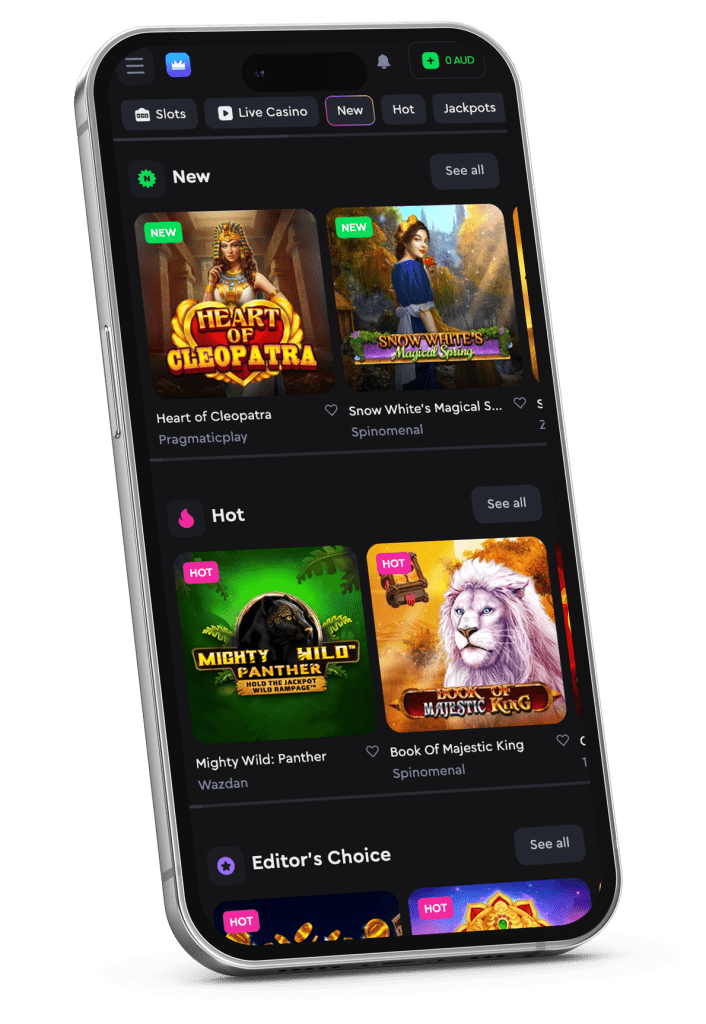
App 2

Creating An Account Without Losing Track Of Details

Registration is easiest when you do it calmly. Imagine signing up late at night, half-distracted, and then the next day you cannot remember which email you used or whether you confirmed anything. That is how people end up creating duplicate accounts, then spending time untangling the mess.

Use one email you control, choose a strong password you do not reuse, and save it in a password manager. If two-step verification is offered, enabling it early is usually smoother than turning it on later after you have already made deposits and changes. In practice, the phone becomes your key - so lock your screen, avoid sharing the device, and keep your system updates current.

Another habit that helps: write down your “account basics” somewhere private - the email, the chosen username (if any), and a reminder of your security settings. Players often assume they will remember, but real life is noisy. A tiny note now can save a long reset process later.

Verification And Privacy Controls In 2026

Verification feels annoying until it saves you time. Picture a player who wins, tries to withdraw, and suddenly hits a checklist of document requests. The money is not “gone,” but the mood shifts instantly because the player expected a one-tap cashout and got a paperwork moment instead.

App 3

If you plan to play with real funds, complete identity checks early, when there is no pressure. This also aligns with the idea that the platform is for adults who meet the legal gambling age requirements and can provide basic proof of identity when asked. You do not need to overthink it, but you do need to do it carefully.

Mobile uploads are where most delays start. Phone cameras are sharp, yet they also introduce glare, blur, and weird shadows. Take photos in bright, even light. Avoid reflective surfaces, keep all edges visible, and do not crop too tightly. Usually players snap a quick picture on a sofa under warm lighting, then wonder why it is rejected.

Privacy settings deserve attention, too. In 2026, many players want a simple choice: functional messages only, or marketing messages as well. Imagine you are at work and your phone buzzes with a promo push notification - it is not dangerous, but it is awkward. Set your communication preferences early so you stay in control of when the app speaks to you.

One more thing: keep your profile details consistent. If you change an address format or swap payment methods between family members, you can trigger extra checks. It is tempting to “just make it work,” but consistency is the quiet shortcut.

Submitting Documents From A Phone Without Rejections

Imagine you are holding your ID with one hand and the phone with the other, and the camera keeps trying to focus on the background. That is how you get a “readable to you” photo that fails automated checks. Put the document on a flat surface, tap to focus, and take a few shots so you can choose the clearest one.

Do not over-edit images. Heavy filters, sharpening, and contrast tweaks can make text look worse for verification tools. Keep it natural, clean, and complete. If the app asks for a selfie or a face scan, follow the on-screen prompts patiently rather than rushing through them with quick head movements.

Keeping Personal Details Aligned With Payments

A common pain point is simple mismatch. Picture a player who uses a nickname in the profile, then tries to cash out to a method that uses a formal name. That difference can slow things down. Use your real details consistently and keep payment methods in your own name when possible.

If you need to update something, do it once, carefully, and expect a short review period. That is normal for platforms that are trying to reduce fraud and keep accounts tied to real people. The best strategy is boring: accurate details, stable methods, and no last-minute changes right before a withdrawal.

Managing Notifications So They Help, Not Distract

Notifications can be useful, but only if they fit your life. Imagine you are planning a short session, and a stream of reminders pulls you back in at random times. That is the opposite of control. In settings, choose what you actually want: security alerts, payment confirmations, and maybe session timers.

If you like a quiet phone, keep promotional pushes off and rely on checking the app when you choose. Players who do this often report the same funny effect: they enjoy sessions more because it feels like a decision, not a reaction.

Deposits, Cashouts, And Budget Discipline On A Phone

Money movement is where mobile convenience can backfire. Picture this: you are in a hurry, your thumb hits the wrong amount, and you confirm without reading because the screen is small. It happens more than people admit. The fix is not complicated - you add a pause.

Decide your budget before you open the cashier. Some players prefer one capped deposit per week, others prefer smaller deposits that reduce the risk of chasing losses. Either approach can work, but it should be intentional. In 2026, the most practical “strategy” is simply not letting the deposit flow set your mood.

When it comes to withdrawals, expectations matter. Cashouts can involve internal review steps, method processing, and verification checks if something changed. Imagine submitting a request, then refreshing every five minutes. It does not speed anything up, it just increases stress. A calmer routine is to submit, note the confirmation details for yourself, and check status on a predictable schedule.

Here is a quick mobile-focused table you can use as a checklist before you tap “confirm.” It uses broad method categories because exact options can vary by region and account.

Method Category

Typical Mobile Flow

Best For

What To Double-Check

Bank card

Quick authorization prompts

Fast deposits

Amount, currency, authentication screen

Bank transfer

More form fields, fewer taps

Larger planned deposits

Reference details, name consistency

E-wallet style options

App-to-app approvals

Privacy and speed

Correct account, notification permissions

Voucher or prepaid style

Code entry, then balance update

Controlled spending

Code accuracy, expiry timing

Alternative digital methods

Extra verification steps

Flexible funding choices

Fees, processing pattern, limits

Avoiding Mis-Taps And Accidental Amounts

Imagine you are holding your phone with one hand on a bus, the screen bounces, and you tap confirm twice. That is how accidental deposits and quick re-buys happen. The simplest fix is to change your posture: sit down, use two hands, and slow your breathing for ten seconds.

Inside the cashier, read the final screen like a receipt. Check the amount, check the method, then approve. If the app offers confirmation toggles, enable them. It is a small friction that saves you from bigger regret.

Reading Withdrawal Status Without Obsessing

Players often treat status like a live sports score. Picture yourself checking it between tasks, then feeling irritated because nothing changed. Instead, decide a schedule: once in the morning and once in the evening, for example. That keeps your head clear.

If the app requests extra information, respond promptly and keep your message specific. “I submitted X, I received Y message, my device is Z” gets better results than emotional text. Support teams can solve problems faster when you give them clean facts.

Finding Games Fast And Keeping Sessions Focused

A mobile lobby can be a time sink if you let it. Imagine opening the app for a quick play, then scrolling for ten minutes and closing it because you never chose anything. That is not a “bad platform” problem, it is a browsing habit problem.

Set a simple routine. Pick one familiar game for weekdays, and reserve exploration for times when you actually have patience to read rules and test pacing. Players who do this tend to enjoy mobile play more because it feels purposeful.

In 2026, short sessions are common, so comfort matters. Adjust brightness, turn on do-not-disturb if you want fewer interruptions, and decide how long you intend to play before you start. It sounds obvious, yet it is the difference between a controlled ten-minute break and a drifting hour.

Using Search, Filters, And Favorites Like A Shortcut

Picture a lunch break: you want two taps to a familiar game, not a full browse. Favorites are the best tool for that. Add a small set of titles you genuinely like, and keep it curated. A long favorites list becomes another lobby.

Filters help when you are exploring. Use them to narrow by style and volatility feel rather than chasing whatever is loudest on the screen. If a game feels too fast, switch early instead of trying to force enjoyment - mobile play rewards quick decisions.

Playing Live Titles On Mobile Data

Live games can feel great on a phone, but they punish weak connections. Imagine a stream stutter right when you need to make a decision. That moment can turn excitement into frustration. Use live play when your network is stable and your battery is not near zero.

Also, decide your environment. If you are in a quiet place, headphones can help. If you are in public, keep audio off and keep the screen angle private. These are small choices, but they reduce stress and keep your play discreet.

Responsible Play Tools: Limits, Breaks, And Self-Exclusion

Responsible play features are not just a checkbox. They are practical tools that protect you from your future mood. Imagine a typical situation: you start a session feeling fine, then you hit a rough patch and the “one more try” impulse shows up. That impulse is normal, and that is exactly when tools like limits and timeouts matter.

Start with deposit limits because they are the simplest guardrail. A limit that never binds is not a limit. Choose a number you can accept even on a bad day, not the number you wish you could afford on a good day. Players who set realistic caps often report that they enjoy sessions more because the stakes stay comfortable.

Session time reminders are underrated. Mobile play can blur time because you are not sitting at a desk with a clock in view. Set a reminder that interrupts the flow. When it pops up, do not negotiate with it. Stand up, drink water, and decide whether you still want to play or whether you are just on autopilot.

Timeouts (cooling-off breaks) are useful when you feel your mood shifting. Picture yourself annoyed, tapping faster, and making smaller decisions without thinking. A short break can reset that. It is not a punishment, it is a reset button.

Self-exclusion is the stronger tool for people who want real distance. If you ever reach a point where you feel you cannot stop, choosing a longer lockout can protect you from your own impulse. The important part is knowing where the option is, so you can use it before things spiral.

Finally, keep your “support circle” in mind. Some players set a personal rule to talk to a friend or take a walk after a session, especially if emotions run high. The app tools help, but your habits finish the job.

Setting Limits That Actually Match Real Life

Imagine you set a limit in a confident mood, then you have a stressful week and try to override it. That is why the limit should be modest and realistic. Treat it like a budget category, not a challenge.

If the platform offers multiple limit types (deposit, loss, or session time), start with one that solves your biggest issue. If overspending is the risk, choose deposit limits. If time is the problem, choose session reminders and timeouts. Do one change, live with it for a week, then adjust thoughtfully.

Support, Updates, And Troubleshooting In Real Life

Even smooth apps have bad days. Picture opening the lobby and seeing it load slowly, then you instantly blame the platform. Sometimes it is the phone, the network, or an update in progress. Start with quick fixes before you stress yourself out.

Restart the app, switch from mobile data to Wi-Fi (or the other way around), and close background apps. If the device is overheating, give it a few minutes. Mobile performance is physical: heat, low storage, and low battery all make apps behave worse.

Updates should be handled strategically. If you see an update waiting, do it when you are not mid-session. Players often update at the worst time, then panic because they cannot log in for a minute while the app rebuilds. In 2026, frequent updates are normal - treat them like routine maintenance.

If something looks truly wrong, contact support with a calm, specific message. Emotional messages are understandable, but they slow resolution because the team still needs facts. Give the steps you took and what happened next.

Quick Fixes Before You Contact Support

Imagine you cannot log in after a few wrong attempts. That feels scary, but it is often just a safety lock. Use the password reset flow, confirm the correct email, and wait a moment before trying again. Rushing creates more lockouts.

If the app crashes on launch, check storage space and update your operating system. Reinstalling can help, but do it only after you confirm you can still access your email for verification codes. On Android, clearing cache can fix weird loading issues without a full reinstall.

What To Include In A Support Message

Picture the difference between “it doesn’t work” and “I tapped withdraw, saw an error after confirmation, and my device is an iPhone running the latest update.” The second message gets action. Include your device model, operating system version, the time the issue happened, and the exact screen where it occurred.

Keep your tone steady. Support is usually faster when you write in short sentences and avoid extra story. You can be human and still be clear: “Here is what I did, here is what I expected, here is what happened instead.”

FAQ

Avoid logging in or moving money on open networks when you can, because public Wi-Fi makes it easier for others to intercept traffic. If you must use it, keep sessions short, do not save passwords on shared devices, and rely on strong screen locking plus two-step verification. Imagine you are in a cafe and someone glances at your screen - privacy is physical as well as digital, so reduce notifications and keep your phone angled away.

Start simple: force close it, restart your phone, and confirm you have enough free storage for the app to rebuild its cache. If it still fails, reinstall and then log in carefully using the same email and security steps you originally set up. Picture trying the same broken launch ten times in a row - it only increases frustration, so take a two-minute reset and approach it step by step.

Do it early, before you feel urgency. Players often wait until they want a withdrawal, then get stressed by document requests and delays. Imagine finishing verification on a calm afternoon - you can take clear photos, read prompts properly, and fix mistakes without pressure, which usually leads to a smoother experience later.

Lower brightness, turn off unnecessary background apps, and avoid streaming-heavy modes when your connection is unstable, because the phone works harder and drains faster. If you play with sound, consider headphones at a low volume rather than speakers. Picture your battery dropping fast and you rushing decisions because you fear a shutdown - preventing that keeps your play calmer and more controlled.

Keep your profile details consistent, use payment methods in your own name, and avoid last-minute changes right before requesting a cashout. Submit the request, note the confirmation details for your own records, and check status on a schedule rather than refreshing constantly. Imagine treating it like a parcel delivery - you track it, but you do not stare at the tracking page all day.

Slow down and add a personal pause at the final confirmation screen. Use two hands, sit still, and read the amount like a receipt before you approve it. Imagine trying to confirm while walking or riding transport - the screen bounces and your thumb slips, so choose a stable moment and you will prevent most mistakes.

Use in-app support and explain exactly what is wrong and what the correct information should be, without adding extra unrelated changes. Keep your message factual: what you entered, what you meant, and whether you have already submitted verification documents. Imagine trying to “fix” everything at once - it can trigger extra checks, so handle one correction at a time and wait for confirmation before changing more.