













Skycrown Casino Live Play For Australia

See how real-dealer tables on Skycrown work in Australia in 2026, with clear steps for setup, pacing, and safer play.

Fortune Gems 2 Slot

Table of Contents

  • The Dog House Megaways Slot
  • Lucky Joker 10 Extra Gifts Slot
  • Sword of Ares Slot
  • Floating Dragon Hold & Spin Slot
  • Leprechaun Riches Slot
  • Fruit Cocktail Slot
  • The Dog House Megaways Slot
  • Sword of Ares Slot
  • Fruit Million Slot
  • The Dog House Megaways Slot
  • Big Fisherman Slot
  • Big Fisherman Slot
  • Seven Books Unlimited Slot
  • Skycrown Fortune Slot
  • Sword of Ares Slot
  • Floating Dragon Hold & Spin Slot
  • 9 Mad Hats Slot
  • Floating Dragon Hold & Spin Slot
  • Big Bass Splash Slot

Why Skycrown Casino Live Works For Australia In 2026

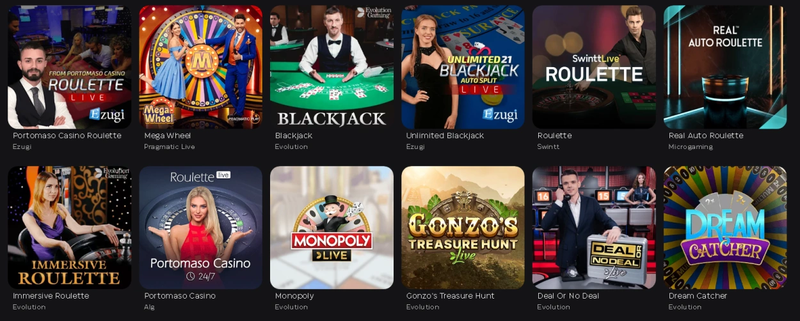
Imagine you open the lobby after dinner, you want the energy of a real table, but you also want to stay in control. You are not hunting for hype - you are looking for a smooth routine: join a table, understand the rules fast, play a short session, and leave without stress. That is the real value of a live dealer section when it is done well.
live 1

For Australia players, it helps to treat Skycrown as an adults-only entertainment platform available in Australia and used within applicable rules. Keep it practical: check your settings, learn the table flow, and avoid impulsive clicks. Live games feel more social than slots, so pacing matters even more - the table keeps moving, and your decisions can speed up if you are not careful.

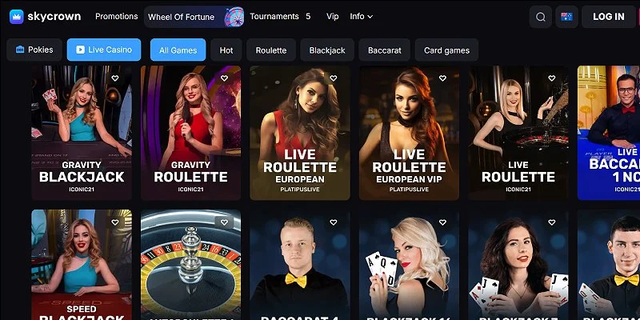
A simple way to judge the experience is to watch the first five minutes. Can you find the table categories quickly? Does the interface make it obvious where limits and history live? If you feel calm and oriented, you will usually play calmer. If you feel lost, you will often start making decisions just to “keep up.”

What “Live Dealer” Actually Changes In Your Session

Picture yourself joining roulette, watching a few rounds, and noticing your fingers get itchy to bet every spin. That is the first difference: the table has a rhythm, and it can pull you along. A good habit is to spend one minute observing before you place your first bet, then commit to a plan (stake size, number of rounds, and a stop point).

Another difference is focus. With real dealers and other players, you may feel you need to act fast. You do not. If the platform offers easy-to-see timers and clear bet confirmation, use them. Slow down, double-check the chip value, and treat every bet like a deliberate choice, not a reflex.

The Quick “Fit Check” Before You Commit Money

Imagine you are about to deposit, but you have not even tested how tables load on your device. Instead of jumping in, do a fit check: explore the lobby, open a table, read the on-screen rules, then exit and find your account settings. If the basics feel smooth, your first deposit can be a calm step, not a leap.

Many players also do better when they pick one table type per session. Roulette one night, blackjack another - not both in a single sitting. This keeps your decisions consistent, which makes budgeting easier (and reduces the “one more game” spiral).
Sign-Up And Identity Checks Without Stress

Imagine you are tired, you want to play now, and you rush through registration like it is a food delivery app. That is how people create problems they only notice later: a typo in the email, a mismatched name, or an address format that causes confusion during account checks. Spending a few extra minutes up front often saves a lot of annoyance later.

live 2

Start with accuracy. Use real details that you can confirm if the platform requests verification. Keep your password strong and unique, and if extra security options are available, turn them on. It is not about paranoia - it is about keeping access to your account predictable.

Next, do a small “account walk-through” before you deposit. Find the profile area, the transaction history, and the tools for limits or breaks. Usually, players only search for these when something goes wrong. If you locate them while calm, you will not feel pressured later.

If verification is requested, treat it like a checklist, not a battle. Prepare clear images, submit what is asked, and keep your details consistent across payment methods. When people get stuck, it is often because names or ownership details do not line up cleanly.

Finally, do one simple test: log out and log back in. Imagine you forgot your password tomorrow - would you be able to recover it smoothly? Setting up recovery options now is a quiet win for your future self.

Finding Tables Fast: Skycrown Casino Live Lobby Tips

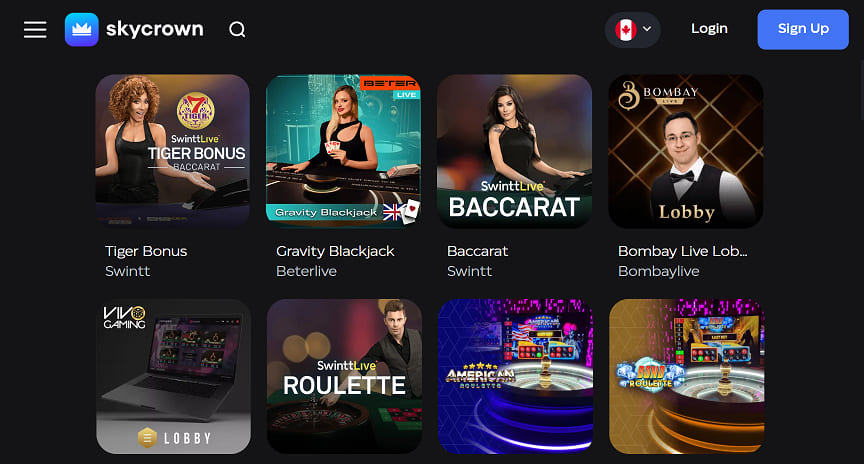
Imagine you open the live section and see a wall of tables, limits, and side options. You have two choices: scroll until you feel overwhelmed, or filter like a pro. Most players who enjoy live games long-term learn one key skill - they reduce the lobby to a short list before they ever place a bet.

live 3

Start with your goal for the night. Do you want simple decisions (roulette), structured decisions (blackjack), or something slower and more ritual-like (baccarat-style play)? Once you pick a lane, the lobby becomes manageable. If you try to do everything, you will end up making rushed choices.

It also helps to respect table limits. A common mistake is joining a table that is “almost” in your comfort range, then raising stakes to match the table vibe. Pick a table that fits your budget from the start, and you will not feel forced into bigger bets just to feel involved.

Roulette Sessions That Stay Simple

Picture this: you sit down, you start placing small bets, then you see a streak and you double up “just to test it.” Roulette is fast and emotional, especially when patterns appear. A calmer approach is to decide your chip value and your bet style before the first spin, then repeat it for a fixed number of rounds.

If you want variety, change the bet type, not the stake. That way your budget stays predictable while you still feel engaged. And if you feel yourself chasing a pattern, pause for two spins and watch without betting. That tiny break often resets your head.

Blackjack Choices Without Speeding Up

Imagine you are playing blackjack and you feel pressure to act quickly because the table is moving. You do not need to rush. Use the time you have, read the on-screen rules, and keep your decisions consistent. Players often lose control not because of the game itself, but because they start playing faster when they feel tense.

A practical habit is to set a “decision pace.” For example: take one breath before you tap any action. It sounds small, but it prevents panic clicks. If the table speed still feels too fast, switch to a slower table rather than forcing yourself to adapt.

Table Etiquette And Smooth Play In 2026

Imagine you join a table and immediately start clicking without reading what the interface is telling you. That is when mistakes happen: wrong chip value, wrong side option, or joining mid-round without understanding what is locked in. The best etiquette is simple - watch one round, then play.

To keep sessions comfortable, here is a practical overview of what players typically check before they sit down:

What To Check Before Joining

Why It Helps

A Simple “Player Move”

Table limits and chip values

Keeps bets aligned with budget

Pick a table where your default stake feels easy

Round speed and timers

Prevents rushed decisions

Watch one round before your first bet

Rule notes on the screen

Avoids surprises mid-hand

Read the key rules, then commit to one style

Re-bet and confirmation options

Reduces mis-taps

Confirm every bet until you feel settled

Exit and history visibility

Makes stopping easier

Know where “leave table” and history are

Promotions And Bonuses Without The Usual Traps

Imagine you see an offer banner and your brain instantly goes “free value.” That reaction is normal, but it is also where people stop reading. Promotions can be useful, yet they often come with requirements, time windows, and game restrictions. The goal is not to avoid offers - it is to use them without letting them push your behavior.

Start with one question: does this offer fit how you already play? If you prefer short live sessions, a promo that expects long volume may not match you. If you are a casual player, anything that pressures you to deposit bigger or play longer usually leads to regret.

It also helps to separate “deposit decisions” from “promo decisions.” Many players deposit because the offer makes them feel they should, not because they planned to. A cleaner routine is to set your session budget first, then see if a promo fits that budget. If it does not, skip it and keep your night simple.

Reading Terms Like A Real Person, Not A Lawyer

Picture yourself skimming the terms, missing one line, then getting annoyed later. Instead, look for the handful of points that change everything: eligible games, wagering-style requirements, withdrawal limits tied to the offer, and expiry timing. You do not need to memorize details - you just need to spot the deal-breakers.

If the rules feel unclear, do not guess. Pause, take a screenshot of the relevant section (for yourself), and ask support a specific question. “Does live table play count for this?” is far better than “How does this bonus work?” Specific questions get specific answers.

Deposits, Withdrawals, And Keeping Your Wallet Clean

Imagine you finish a solid session, you are either up or just satisfied, and you want to withdraw without turning it into a late-night project. That smooth feeling usually comes from consistency: one or two payment methods you trust, details that match your profile, and a habit of checking history after each transaction.

For Australia players, timing and processing can depend on method and account status. Plan for that. Do not assume every deposit is instant or every withdrawal lands at the same speed every time. Treat the cashier like a system that rewards patience: confirm, wait, verify, then continue.

A strong budgeting habit is to keep your entertainment funds separate in your mind from everyday spending. Even if you use the same bank card, you can still use a strict session amount and refuse to top up beyond it. The moment you start “just adding a little,” your budget stops being a budget.

The First Deposit Should Be A Trial Run

Picture yourself depositing a large amount, then realizing the live section is not comfortable on your phone. That is why the first deposit should be small. Use it to confirm that your balance updates correctly, that the table loads reliably, and that you can find transaction history without searching.

After that first trial, step away for sixty seconds. Look at your history, confirm the numbers, and only then play. This tiny pause breaks the deposit-to-spend reflex that causes rushed decisions.

Cashout Habits That Reduce Delays

Imagine you request a withdrawal right before bed, then discover you need to confirm profile details. It is not a crisis, but it is annoying. A calmer path is to complete any requested checks early, keep your payment method consistent, and make sure your profile details match the method you use.

If something looks stuck, do not spam requests. Check the history, note the time, and contact support with specifics. Players who provide clear timestamps and transaction references usually get faster help than those who only say “it’s not working.”

Mobile Live Sessions: Comfort, Data, And Focus

Imagine you are playing on mobile, a call comes in, your screen shifts, and you return to the table slightly flustered. Mobile is great for convenience, but it also adds interruptions. The goal is to set up your device so the session stays calm even when real life happens.

Before you start, close heavy apps, use a stable connection, and keep your phone charged. If you are playing in short bursts, shorten your session plan by default. Live tables feel more intense than slots, so a shorter session often gives the best experience.

Streaming Stability Without Overthinking It

Picture the video stuttering for a moment and you feel tempted to keep betting anyway. That is when mistakes happen. If the stream looks unstable, pause your play, watch for a round, and resume only when the table looks consistent again.

If you notice repeat issues, switch tables or switch devices rather than trying to force it. Live play rewards clarity. When you can see the table cleanly and feel unrushed, your decisions get better automatically.

Privacy Basics For Shared Spaces

Imagine you are on a shared laptop for “just a minute” and you forget to log out. That is how accounts get compromised without any dramatic story. Use device locks, avoid saving passwords on shared machines, and end sessions with a clean logout.

If you ever feel unsure about account access, change your password and review activity. Quick, boring steps prevent long, stressful problems.

Support, Limits, And Knowing When To Stop

Imagine a table freezes, a deposit looks delayed, or you simply feel your mood shift from fun to frustrated. In that moment, you want support that gives steps, not vague comfort. You also want your own limits already set, so you are not negotiating with yourself while annoyed.

Support conversations go better when you come prepared. Keep a note of what happened, when it happened, and what you saw on screen. A short, clear message beats a long emotional one. “At this time, this method shows pending in history” is far easier to solve than “I think something is wrong.”

Limits and break tools matter even more with live games because the pace can pull you forward. If you know you tend to chase, use a deposit cap and a session timer. If you notice you are logging in out of habit, use a timeout. These tools are not about shame - they are about protecting your time and your budget.

Timeouts And Self-Exclusion When You Need Space

Picture yourself opening the app without excitement, just out of routine. That is a good moment to take a break. Short timeouts can reset your habit without drama, while longer exclusions exist for when you want a hard boundary.

Set limits that match your real life, not your fantasy version of discipline. If a cap is so high you will ignore it, it will not help you. A realistic limit you actually respect is far more valuable than a perfect plan you never follow.

Asking Support The Right Way

Imagine you contact support and only say “my game crashed.” You will get questions back, and the conversation will drag. Instead, send the essentials: what you were playing, what device you used, what time it happened, and what your history shows afterward.

If you are discussing payments, include the transaction entry and status from your history. If you are discussing a table issue, include what you saw on screen and whether it repeats on a different table. Clear inputs lead to clear fixes.

FAQ

Availability can vary by location and personal circumstances, so treat access as something you confirm during registration and payments, not an assumption. Imagine you are ready to join a table and a payment method behaves differently than expected - that is your cue to pause, review account settings, and ask support with the exact details. The safest approach is to play only if you meet local requirements and you are of legal gambling age.

Watch one round first, then decide your stake and your stop point before you place any bets. Picture yourself joining mid-round and clicking fast because you feel behind - that is when mis-taps happen. A calmer routine is to check limits, read the on-screen rules, and start with a small, repeatable bet size.

Use structure, not willpower: set a time limit, a session budget, and one emotional stop sign. Imagine you notice you are annoyed and tapping faster - that is the moment to pause or end the session, not “win it back.” Deposit caps and timeouts can help because they remove the need to debate with yourself.

Processing can depend on the method you choose and whether account checks are complete. Imagine requesting a cashout late at night and then being asked to confirm profile details - that delay feels bigger because you are tired. Completing requested checks early, keeping payment details consistent, and tracking your transaction history usually helps the process feel more routine.

Stop betting for a round and confirm the table display is stable before you continue. Picture yourself betting through a stutter and then feeling unsure about what happened - that uncertainty is stressful and avoidable. Switch tables, switch devices, or wait until your connection is steady again, then resume when you can see everything clearly.

Start with a table where your “default” bet feels comfortable, not tense. Imagine you pick a table with higher limits and then raise your stake just to feel involved - that is a budget leak. Choose limits that fit your session plan, and if the vibe feels too intense, move to a calmer table instead of forcing bigger bets.

Give a short replay: what happened, when it happened, what device you used, and what your history shows afterward. Imagine the difference between “something broke” and “this transaction shows pending at this time” - the second message gives support a starting point. Screenshots of error messages and clear timestamps usually reduce back-and-forth.